Kids Room Design Ideas 2026: 15+ Stylish & Practical Ideas
Kids Room Design Ideas for 2026: Stylish, Functional & Imaginative Spaces
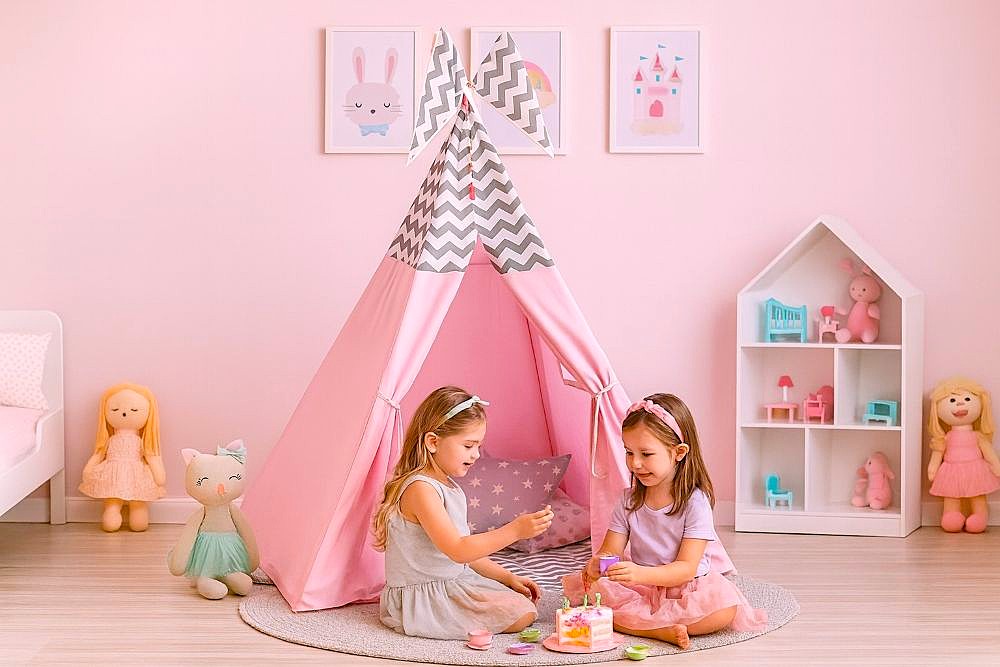
Designing a child’s room in 2026 is not about picking a bold wall colour or using a favourite cartoon character. The best kids room design ideas blend sleep study, play, storage and creativity into one space. This space should feel comfortable now. Grow with your child over the years.
Whether you are working on a children’s bedroom or a small room in an apartment smart planning makes a big difference. You can make the space more functional without losing the joy and imagination that children need.
Look for storage solutions quiet study corners, cosy reading nooks and areas, for indoor play. These are some of the kids room design ideas to try in 2026. They help create a room that’s both stylish and practical.
What Are the Best Kids Room Design Ideas for 2026?
The best kids room designs in 2026 focus on flexible layouts, smart storage, dedicated study and play areas, comfortable reading corners, adaptable furniture and calming colours. Instead of designing the room around a temporary trend, create a practical base and use easily changeable décor to reflect your child’s personality.
What Makes a Good Kids Room Design?
A well-designed kids room should balance four important things: comfort, functionality, safety and imagination.
Children use their rooms differently throughout the day. The same space may be a bedroom at night, a study area after school, a playroom in the afternoon and a reading corner before bedtime.
The best design therefore does not try to fill every corner with furniture or decoration. Instead, it creates simple zones that have a clear purpose while leaving enough open space for children to move and play.
15 Kids Room Design Ideas for 2026
-
Create Separate Sleep, Study and Play Zones
One of the easiest ways to make a children’s bedroom more functional is to divide it into zones.
You don’t necessarily need walls or partitions. A bed can define the sleeping area, a desk can create a study zone, and a rug or kids tent can identify a play or reading corner.
For smaller rooms, keep the centre of the floor as open as possible and place larger furniture along the walls.
This simple approach helps the room feel organised without making it look overcrowded.
-
Choose a Neutral Base with Playful Accents
Instead of designing the entire room around one cartoon character or theme, consider using neutral colours for the walls and larger furniture.
Soft white, beige, light grey, sage green, muted blue and warm natural wood can create a versatile foundation.
You can then add personality through:
- Bedding
- Cushions
- Rugs
- Curtains
- Wall art
- Baskets
- Lamps
- Decorative accessories
- A colourful play tent
The advantage is that these smaller elements can be changed as your child’s interests develop.
-
Make Storage Easy for Children to Use
Storage is one of the most important parts of kids room interior design.
A beautiful room can quickly become difficult to use when toys, books, clothes and school supplies have nowhere to go.
Consider combining:
- Low open shelves
- Toy baskets
- Storage boxes
- Under-bed drawers
- Wardrobes
- Wall shelves
- Book displays
- Labelled containers
For younger children, keep frequently used toys and books within easy reach. When storage is simple to access, children can also gradually learn to put their belongings away themselves.
-
Create a Dedicated Study Corner
As children grow, the bedroom often needs to accommodate homework, drawing, reading and eventually computer work.
A dedicated study corner doesn’t need to occupy a large part of the room.
A compact desk, comfortable chair, good task lighting and a few shelves may be enough.
Where possible, position the desk near natural light while avoiding direct glare on books or screens.
Keep stationery and frequently used school materials organised so that the desk remains useful rather than becoming another storage surface.
-
Add a Cosy Reading Nook
A reading corner can be one of the simplest additions to a child’s room.
You can create one with:
- A comfortable floor mattress
- Cushions
- A small bookshelf
- A soft rug
- A floor lamp or suitable reading light
- A few favourite books
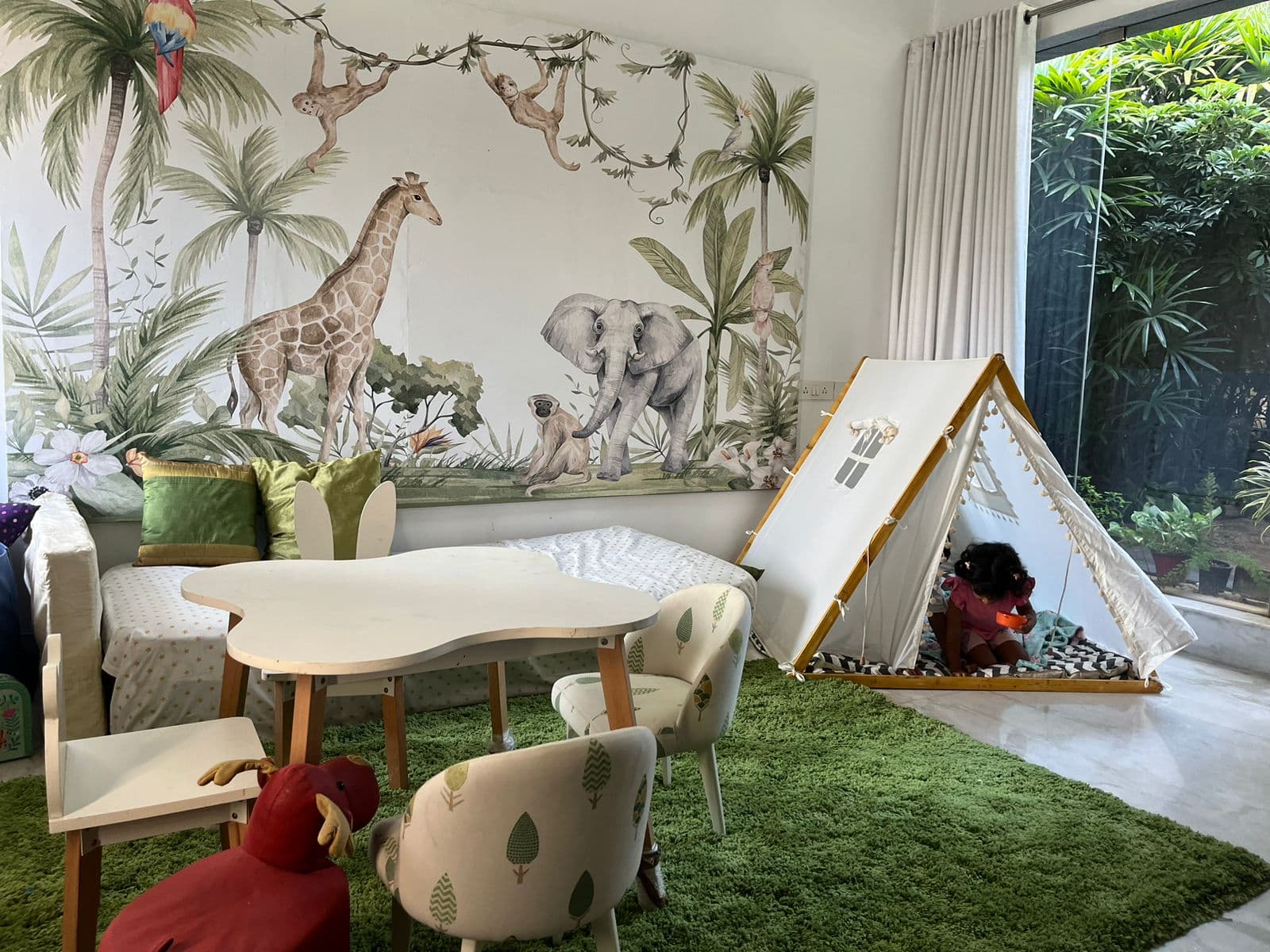
A children’s teepee or A-frame tent can also work beautifully as a reading nook.
The idea is not to create a complicated setup. A small, comfortable corner can be enough to encourage children to spend time with books.
-
Create a Small Indoor Play Area
Not every home has a separate playroom.
A play area can be created in one corner of a bedroom or even in a suitable part of a family living room.
Use a play mat to define the area and add a small selection of toys, building blocks, books or creative activities.
Try not to fill the entire space with toys. Leaving some open floor area gives children room to build, move and create their own games.
-
Add a Kids Play Tent
A kids play tent can be both a decorative feature and a functional part of a child’s room.
A teepee or A-Shape tent can turn an unused corner into a:
- Reading nook
- Pretend camping space
- Storytelling corner
- Doll or toy house
- Quiet activity area
- Indoor adventure space
The advantage of a play tent is that it gives children a defined space without requiring permanent construction.
At PlayTents, options include teepee, hut-shaped and A-frame/Viking-style children’s tents that can be incorporated into bedrooms and play areas.
Choose the size according to the available floor space and leave sufficient room around the entrance for easy movement.
-
Use Nature-Inspired Colours and Materials
Nature-inspired children’s rooms can feel playful without becoming visually overwhelming.
Consider combinations such as:
- Sage green and cream
- Soft blue and natural wood
- Beige and warm white
- Terracotta and neutral tones
- Olive green and light wood
Natural-looking materials, woven baskets and cotton textiles can add warmth to the room.
You can also introduce nature through artwork, botanical patterns, animal illustrations or an adventure-themed play corner.
-
Choose Themes That Can Grow with Your Child
Themes can make a child’s room exciting, but avoid making every permanent element theme-specific.
Instead of building an entire room around one character, choose a broader concept such as:
- Space
- Jungle
- Adventure
- Nature
- Travel
- Books
- Dinosaurs
- Camping
- Oceans
- Fairy tales
Then use removable or replaceable elements to express the theme.
For example, an adventure-themed room can remain relevant for several years if the theme comes through bedding, artwork and a play tent rather than expensive permanent furniture.
-
Use Vertical Space in Small Kids Rooms
Small bedrooms require careful use of vertical space.
Instead of adding more furniture to the floor, consider:
- Wall-mounted shelves
- Tall wardrobes
- Vertical book storage
- Pegboards
- Hanging organisers
- Storage above the desk
Keep everyday items at a child-accessible height while placing less frequently used items higher up.
Most importantly, make sure tall furniture and shelving are properly secured and used according to the manufacturer’s safety instructions.
-
Design a Shared Bedroom for Two Children
When two children share a room, the design should give both children a sense of ownership.
You can create separate zones using:
- Individual storage
- Separate shelves
- Different bedding
- Two study areas
- Personal display spaces
- Clearly divided toy storage
A shared room does not need to look perfectly symmetrical, but both children should have space for their own belongings and activities.
-
Personalise the Room Without Overdoing It
Children enjoy seeing their names, interests and favourite things reflected in their rooms.
Personalisation can be added through:
- Name plaques
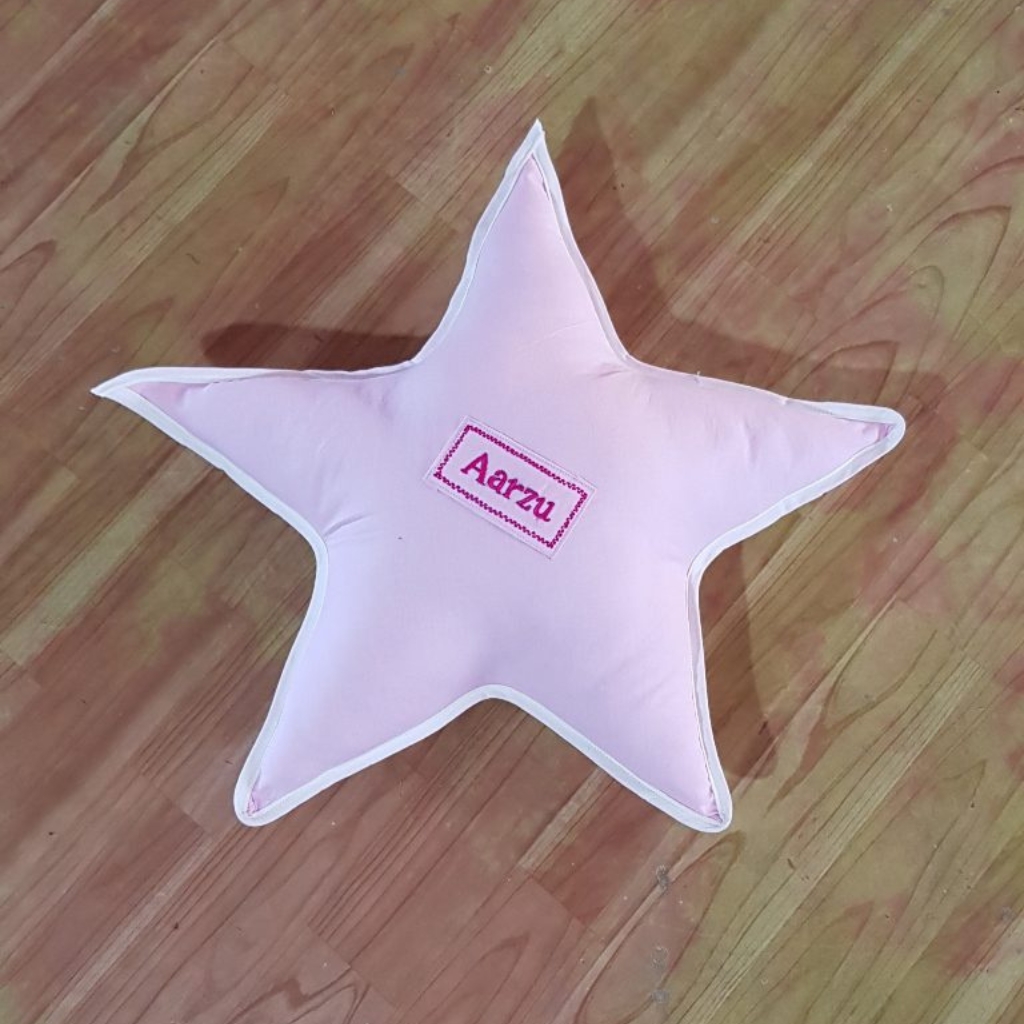
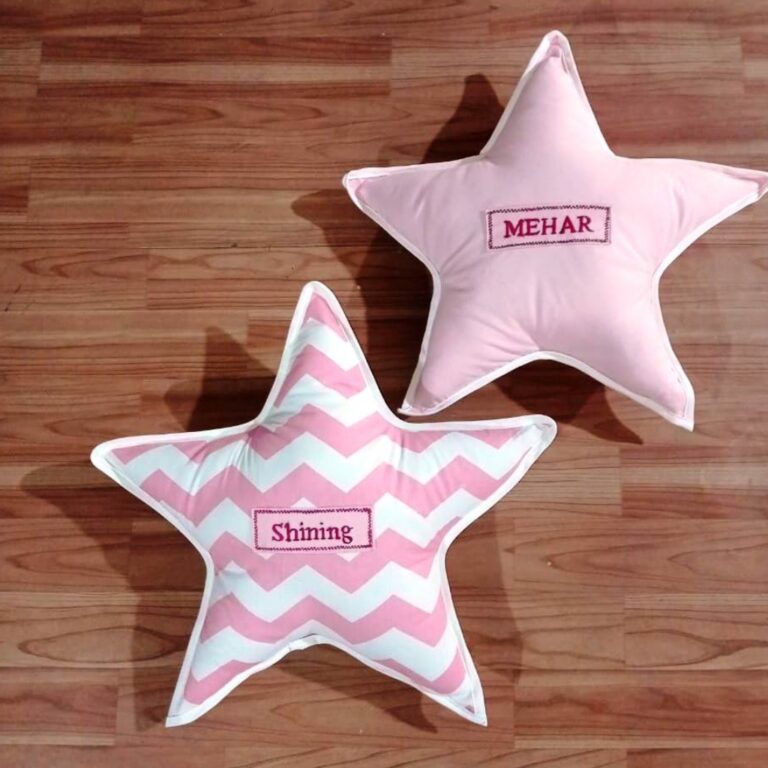
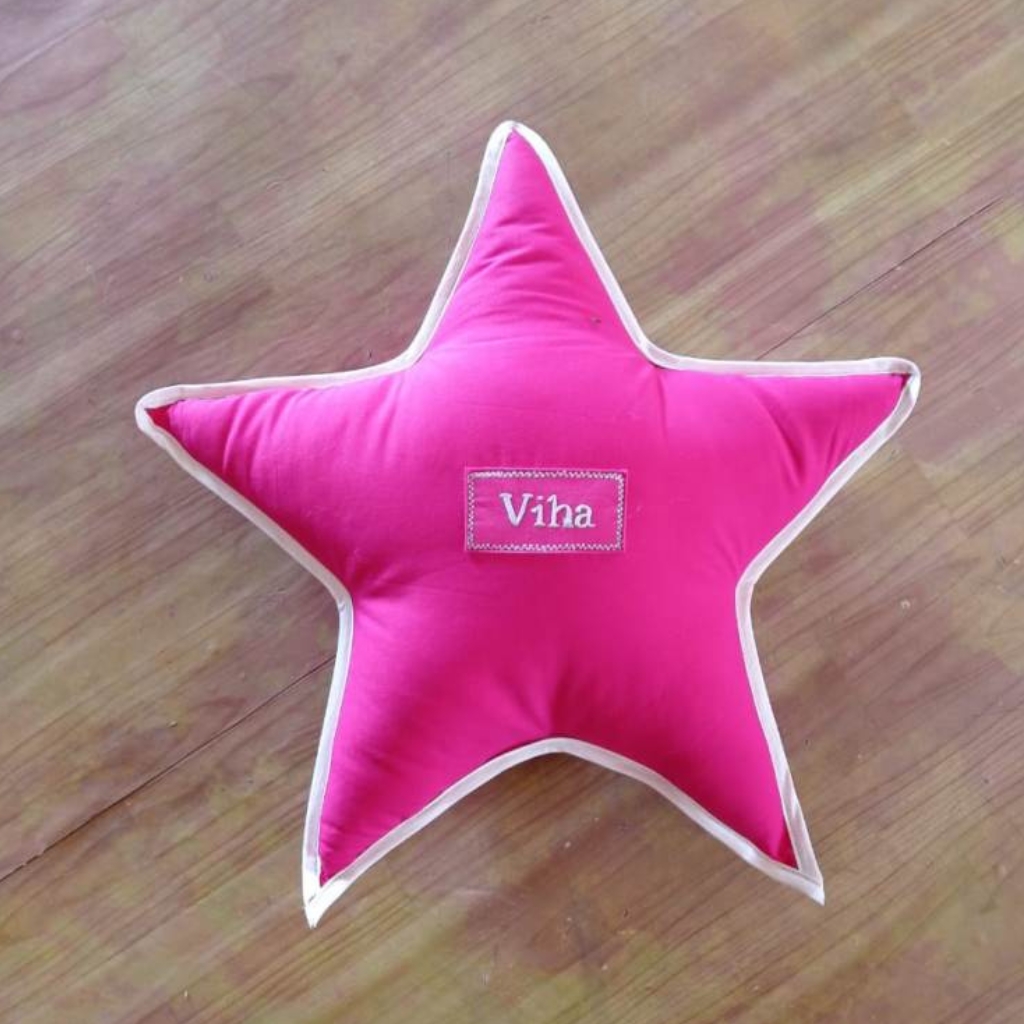
- Personalised cushions
- Artwork
- Bedding
- Wall letters
- Photos
- A personalised play tent
A small personalised detail can often make a room feel more special than filling it with decorations.
-
Use Multi-Functional Furniture
When space is limited, choose furniture that performs more than one function.
Examples include:
- Beds with drawers
- Storage benches
- Desks with shelving
- Bookcases with display space
- Ottomans with storage
- Foldable furniture
The goal is to make every major piece of furniture work harder without making the room feel crowded.
-
Keep Safety at the Centre of the Design
A beautiful children’s room should also be a practical and safe environment.
When planning the room:
- Avoid sharp furniture edges where possible.
- Secure tall furniture and shelving appropriately.
- Keep electrical cords organised and out of children’s reach.
- Choose age-appropriate furniture and accessories.
- Keep walkways clear.
- Check that play equipment is suitable for the child’s age.
- Follow the manufacturer’s instructions for children’s products.
Safety requirements vary according to the product, child’s age and room setup, so always follow the manufacturer’s instructions.
-
Leave Some Open Floor Space
One of the biggest mistakes in children’s room design is trying to use every available corner.
Children need room to move.
An open area can become a building zone, dance floor, drawing area, indoor campsite or simply a place to play with toys.
Instead of filling the room with furniture, decide what your child actually uses and allow the remaining space to remain flexible.
Kids Room Design Ideas for Small Rooms
A small bedroom can still feel spacious when the layout is carefully planned.
Start by measuring the room before buying furniture.
Then consider:
- Using vertical storage.
- Choosing furniture with built-in storage.
- Keeping the colour palette light.
- Using one compact study area.
- Creating a small play or reading corner.
- Keeping the centre of the room open.
- Rotating toys instead of displaying everything at once.
A compact teepee or A-frame play tent can also be a useful way to introduce a dedicated play or reading area without adding bulky furniture.
Kids Room Design Ideas for Boys
A boys’ room does not have to be limited to traditional blue.
Popular concepts can include:
- Adventure
- Space
- Jungle
- Cars
- Sports
- Dinosaurs
- Camping
- Travel
- Nature
For a timeless design, start with neutral furniture and introduce the theme through artwork, bedding, rugs and accessories.
A Viking or A-frame kids tent can also complement an adventure, camping or explorer-inspired room.
Kids Room Design Ideas for Girls
Girls’ rooms can be designed in many styles beyond traditional pink.
Consider:
- Soft pastel colours
- Floral themes
- Nature-inspired designs
- Reading corners
- Fairy-tale themes
- Travel-inspired rooms
- Creative art corners
- Neutral rooms with colourful accessories
A small teepee or play tent can create a cosy corner for reading, imaginative play or quiet activities.
Buy Tent House for Boys Room
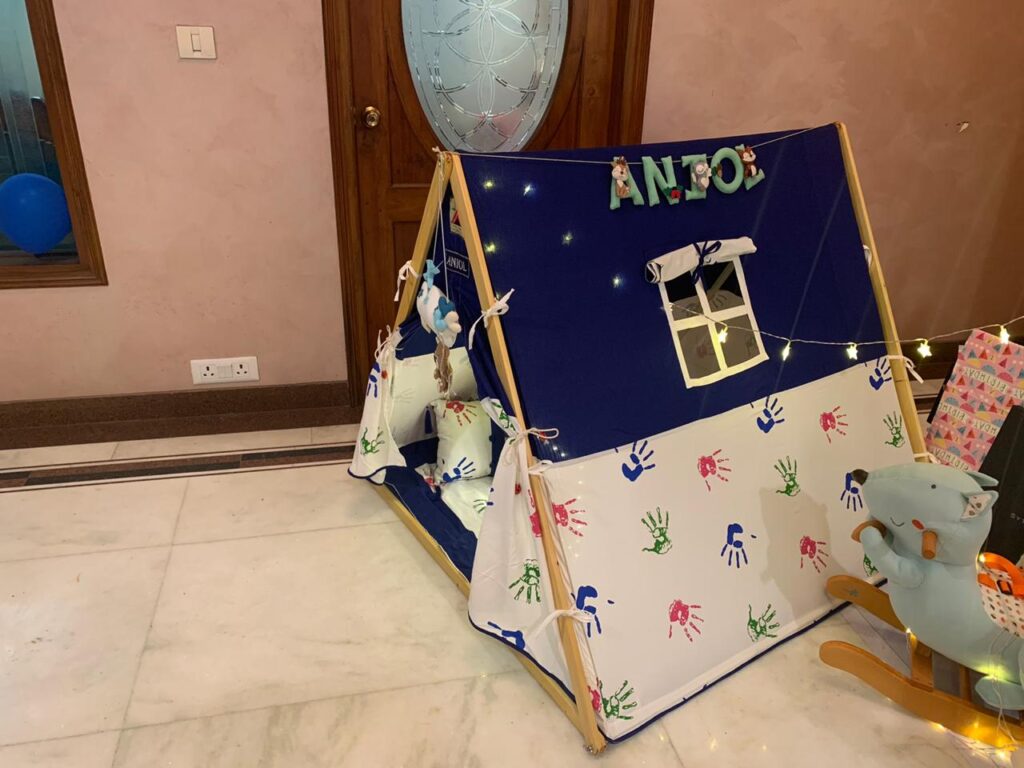
Viking Tent
Age : Toddler – 10 Yrs
How to Design a Kids Room That Grows with Your Child
The best long-term approach is to make permanent elements relatively timeless and use smaller accessories to reflect your child’s changing interests.
For example:
Keep permanent:
Bed, wardrobe, desk, shelving and major furniture.
Change easily:
Bedding, cushions, rugs, wall art, curtains, accessories and toys.
This approach can save you from redesigning the entire room every few years.
A room designed for flexibility can evolve from a toddler’s play space into a school-age study and play area and eventually into a more mature bedroom.
How to Add a Play Tent to a Kids Room
f you want to include a kids tent in the room, start by selecting the right location.
A corner near a bookshelf can create a reading nook.
An open corner can become a pretend camping area.
A space beside a play mat can become a dedicated imaginative-play zone.
Before choosing a tent, check:
• Tent dimensions
• Room dimensions
• Recommended age
• Fabric
• Frame construction
• Ventilation
• Available floor space
• Ease of assembly
• Storage requirements
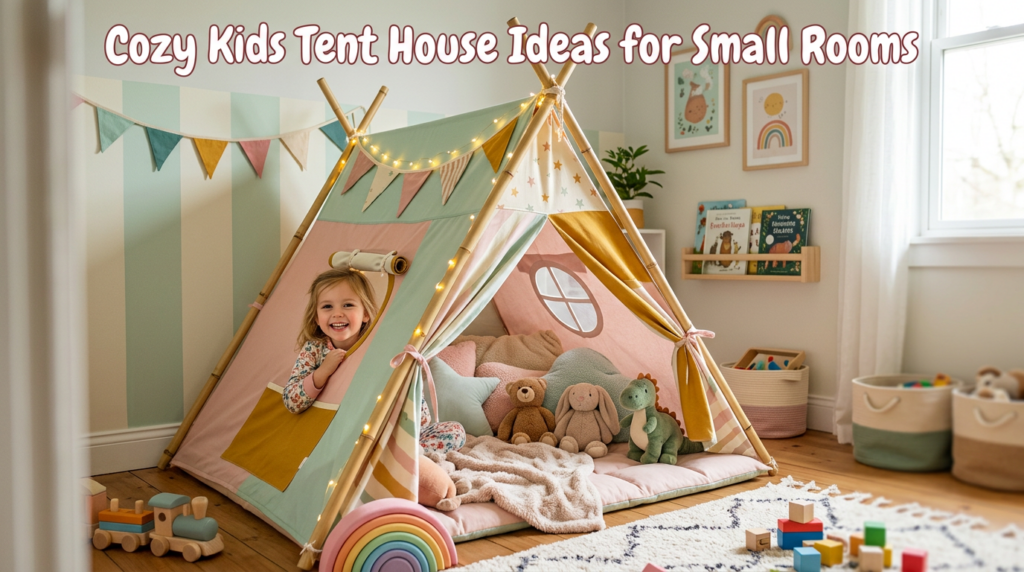
For example, Play Tents teepee range includes cotton fabric, bamboo poles and padded floor options on selected models, while its A-frame/Viking range includes designs with features such as breathable cotton fabric, windows, frames, floor mats and carry bags.
Always check the specifications of the individual product before purchasing.
Frequently Asked Questions
What are the best kids room design ideas for 2026?
The most useful ideas focus on flexible, functional spaces that combine sleeping, studying, storage and play. Neutral foundations, smart storage, dedicated activity zones, reading corners and adaptable furniture are particularly useful.
How can I design a small kids room?
Use vertical storage, multifunctional furniture and a compact layout. Keep the centre of the room open and avoid filling every corner with furniture or toys.
What colours are best for a kids room?
There is no single best colour. Soft neutrals, pastels, sage green, muted blue, warm beige and natural wood can create a calm foundation, while brighter colours can be introduced through accessories.
How can I create a play area in a child’s bedroom?
Use a defined corner with a play mat, a small selection of toys and child-friendly storage. A teepee or A-frame kids tent can also create a dedicated imaginative-play area.
How can I create a reading corner for children?
Place a comfortable floor mat or mattress in a quiet corner and add cushions, suitable lighting and an accessible bookshelf. A children’s play tent can also make a cosy reading nook.
How do I make a kids room grow with my child?
Keep major furniture relatively timeless and use easily replaceable items such as bedding, artwork, cushions, rugs and accessories to reflect changing interests.
Are kids tents suitable for children’s bedrooms?
Many children’s play tents are designed for indoor use, but suitability depends on the individual product. Always check the manufacturer’s recommended age, dimensions, materials and usage instructions.
How Can I make my baby’s room more personal?
You can personalize the pillows, the top sheet or even put a name bunting for a more personalized experience, pictures and keep sakes.