

Kids Play Corner Ideas at Home: A Parent’s Guide
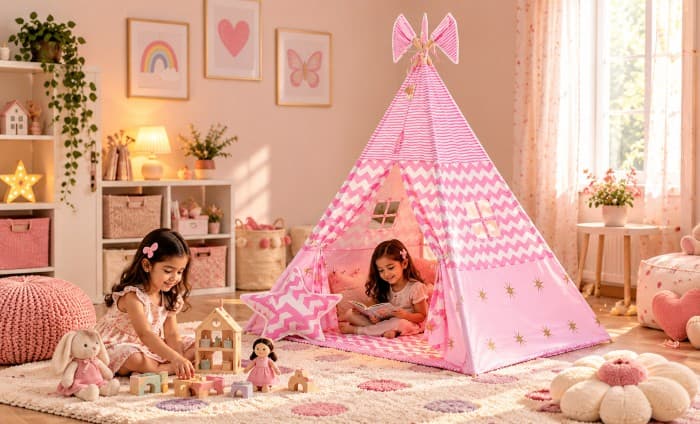
7 New Ideas for a Girl’s Play Area and Room
Every child deserves a space where imagination can flourish, creativity comes naturally and play feels like an adventure. If you are looking for girls’ play area ideas, you do not need a large room or an expensive makeover to create something beautiful. With thoughtful colours, comfortable furniture, clever storage and a few playful details, you can transform a bedroom corner into a delightful space your child will love.
From cosy reading nooks and creative art stations to charming teepee tents and imaginative play corners, there are plenty of ways to make a girl’s room both attractive and practical.
The best kids’ play areas combine fun with functionality. They provide room to explore, make things, read stories and relax, while remaining easy for parents and children to maintain.
Here are seven creative ideas to help you design a beautiful, functional and age-appropriate play area for your little girl at home.
Quick Answer: How Do You Create a Beautiful Play Area for a Girl?
To create a beautiful play area for a girl, choose a comfortable corner, use a coordinated colour palette, add accessible toy storage and create dedicated spaces for reading, drawing and imaginative play. A children’s pink teepee tent, soft cushions, bookshelves and simple wall decorations can make the area inviting without overcrowding the room. Prioritise safety, easy cleaning and flexible furniture so the space can grow with your child.
1. Create a Magical Teepee Tent Corner
A teepee tent can become the centrepiece of a girl’s play area, creating a cosy hideaway for reading, storytelling, pretend play and quiet time.
Children enjoy having a small space that feels like their own. A tent can become a fairy-tale castle one day, a secret clubhouse the next and a cosy reading nook on another afternoon.
Choose a design that complements the room’s existing decor. Soft pink, lavender, pastel green, cream and floral prints are lovely options, but you can also explore rainbow patterns, stars, animals or neutral colours depending on your child’s personality.
Make the corner more inviting with a comfortable floor mat, a few cushions and a small basket of favourite storybooks. You can add fabric bunting or a name banner to personalise the space.
How to make it work: Measure the available floor area before choosing a tent. Leave enough space around the entrance for easy access and ensure the structure is assembled correctly. Keep it away from heaters, open flames and unstable furniture.
If you are exploring options for your child’s room, browse the PlayTents teepee collection for designs that can complement a playful bedroom.
2. Design a Cosy Reading and Storytelling Nook
A dedicated reading corner can encourage children to enjoy books and develop their imagination. You do not need a separate library; even a small section of the bedroom can become a comfortable reading spot.
Start with a soft rug or floor cushion, a few comfortable pillows and a low bookshelf. Arrange books with their covers facing outward wherever possible, making it easier for younger children to recognise their favourites and choose what they want to read.
You can style the corner around a theme. A woodland reading nook might include animal illustrations and leafy colours, while a fairy-tale corner could feature stars, clouds and pastel decorations.
A teepee tent can also serve as a storytelling hideaway, especially when paired with cushions and a basket of books.
Keep lighting comfortable for reading and ensure that shelves are stable and appropriately secured. Avoid overcrowding the corner with decorative accessories that reduce the space available for sitting and turning pages.
Styling tip: Rotate the books every few weeks. Displaying a smaller selection of stories can make the corner feel fresh without requiring additional furniture or purchases.
3. Set Up a Colourful Art and Craft Station
If your child loves drawing, painting, colouring or making things, an art and craft station can be one of the most useful additions to her room.
Choose a small, sturdy table with a comfortable chair suited to your child’s size. Add containers for crayons, washable markers, paper, stickers and age-appropriate craft materials. Keep frequently used supplies within easy reach, while storing scissors and other potentially hazardous items safely under adult supervision.
You can create a simple display area using a noticeboard or a dedicated wall section for finished drawings. Rotating artwork gives your child a sense of pride and makes the room feel personal.
Choose a washable table surface or use a protective mat to make cleanup easier. Keep the number of supplies manageable rather than filling every drawer with materials your child rarely uses.
How to personalise it: Create a small gallery of your child’s favourite creations. You could also introduce a weekly creative activity, such as making greeting cards, drawing animals or designing paper decorations.
This corner does not need expensive furniture. A practical table, organised supplies and room to experiment are enough to get started.

4. Choose a Beautiful and Flexible Colour Theme
Colours can help bring a play area together, but there is no single colour scheme that every girl will love. The best choice reflects your child’s interests while creating a comfortable environment.
Pastel pink, lavender, peach, mint and cream can create a soft, playful atmosphere. Alternatively, bright yellow, turquoise, coral or rainbow accents can make the space feel energetic and cheerful.
A simple approach is to use one neutral base colour and two or three accent colours. For example, cream walls can work beautifully with pink cushions, lavender storage baskets and colourful artwork.
Instead of changing the entire room, introduce colour through removable accessories such as cushions, rugs, curtains, bedding, wall art and toy containers. These are easier to update when your child’s preferences change.
You can also create a theme around animals, flowers, stars, rainbows, space or favourite storybook characters.
Design tip: Ask your child to choose a few favourite colours or decorative elements. Giving her a say in the design can make the finished space feel more personal.
The aim is not to create a perfect picture from a catalogue. It is to design a room that feels welcoming and reflects the child who uses it.
5. Make Toy Storage Fun, Accessible and Practical
An attractive play area is much easier to enjoy when toys, books and craft materials have designated places. Storage should be simple enough for your child to use independently, with guidance appropriate to her age.
Use low open shelves, lightweight baskets and clearly labelled containers. You can organise toys into categories such as building blocks, dolls, soft toys, puzzles and art supplies.
For younger children, picture labels can help them identify where each item belongs. Older children may enjoy sorting their belongings by activity or theme.
Try to avoid filling every shelf. Leaving some empty space makes the room feel calmer and gives your child room to display a favourite toy or introduce something new.
Toy rotation is another useful strategy. Keep some toys accessible and store others away temporarily, then switch them periodically. This can refresh the play area without continually buying new items.
Choose stable storage furniture and secure tall units to the wall according to the manufacturer’s instructions. Keep heavy objects on lower shelves and avoid storage arrangements that encourage children to climb.
Practical tip: Introduce a five-minute tidy-up routine at the end of playtime. When everything has an easy-to-find home, cleaning becomes a manageable daily habit rather than a major task.
6. Create an Imaginative Pretend-Play Zone
Pretend play allows children to explore different roles, invent stories and express their ideas. A dedicated imaginative-play corner can make everyday activities more exciting without requiring a large room.
Start with a theme your child enjoys. A miniature café, pretend shop, dollhouse corner, dress-up station or fairy-tale kingdom can all work well.
For a pretend café, you could arrange toy cups, play food and a small table. For a dress-up corner, use a low organiser for costumes and accessories. A play tent can become a secret clubhouse or a make-believe castle, depending on the day’s adventure.
Choose open-ended toys that can be used in different ways. Blocks, toy animals, dolls, pretend food and simple fabric accessories can inspire many stories without tying the space to one activity.
You can also combine imaginative play with storytelling. Encourage your child to invent a character, create a story about a magical kingdom or organise a pretend tea party with family members.
Keep it flexible: Rather than buying every accessory associated with a theme, start with a few basic items and see what your child enjoys most. Rearranging the same toys in a new way can create an entirely different play experience.
7. Add Personalised Cushions and Finishing Touches
Small details can make a girl’s play area feel unique. Personalised cushions, name banners, framed artwork and favourite photographs can help turn an ordinary corner into a space that reflects your child’s personality.
Place a few cushions in the reading nook or teepee tent to create a comfortable place to sit. Choose colours that coordinate with the rest of the room, or introduce a playful contrast through patterns and textures.
A name cushion or personalised decorative element can also make a thoughtful birthday gift. For a coordinated look, match the colours of the cushion, rug and tent without making every item identical.
Keep decorative accessories practical. Choose items that are easy to clean and suitable for your child’s age. Avoid loose cords, small detachable embellishments and heavy decorations that could fall.
You can also create a small display shelf for a favourite book, a framed drawing or a special keepsake. Leave sufficient open space so that the room remains comfortable for everyday play.
Explore the PlayTents website to discover children’s play tents and accessories that may suit your room’s theme.
Remember that the most meaningful finishing touches are often the simplest ones. A child’s own artwork, favourite cushion or collection of storybooks can make a room feel more special than an elaborate decoration scheme.
Tips for Designing a Safe and Functional Girls Play Area
Before completing your play area, consider these practical points:
- Measure the room: Keep enough clear floor space for comfortable movement and play.
- Prioritise safety: Secure tall furniture, cover accessible electrical outlets where appropriate and keep hazardous objects out of reach.
- Choose suitable materials: Look for durable, easy-to-clean fabrics and age-appropriate products.
- Keep pathways clear: Avoid placing baskets, wires or furniture where children could trip.
- Make storage accessible: Use low shelves and lightweight containers that suit your child’s age.
- Plan for growth: Choose flexible furniture and decor that can adapt as interests change.
- Avoid overcrowding: Leave open floor space for building, dancing, pretend play and other activities.
- Supervise appropriately: Younger children need closer supervision, particularly around small accessories and play equipment.
A well-designed play area should support different activities while remaining comfortable and easy to maintain.

Frequently Asked Questions
1. How can I create a girl’s play area in a small bedroom?
Use an available corner rather than dedicating an entire room to play. A compact teepee tent, a small bookshelf, wall-mounted artwork and a few organised baskets can create a functional play zone. Keep the floor clear and choose furniture that serves more than one purpose.
2. What colours are best for a girl’s playroom?
Pink, lavender, peach, mint, cream and rainbow accents are popular choices, but the best colours depend on your child’s preferences. Choose a simple base palette and add personality through cushions, rugs, artwork and accessories that can be updated easily.
3. How can I make a girl’s play area more creative?
Include an art station, a reading corner and a pretend-play area. Open-ended toys, craft supplies, storybooks and a play tent can encourage children to invent their own games and stories.
4. Is a teepee tent a good addition to a girl’s room?
A teepee tent can create a dedicated space for reading, pretend play and quiet activities. Select a size that fits the room, follow the assembly instructions and supervise younger children according to their age and the product’s guidance.
5. How do I keep my kid’s play area organised?
Use labelled baskets, low shelves and separate containers for different toy categories. Rotate toys periodically and establish a simple tidy-up routine so children can learn to put their belongings away.
6. How can I decorate a girl’s room without spending too much?
Start with existing furniture and rearrange the space before purchasing anything new. Add inexpensive touches such as handmade artwork, cushions, colourful storage baskets and DIY decorations. Prioritise items that serve a practical purpose as well as looking attractive.
Create a Space Where Imagination Can Grow
Designing a beautiful play area for your girl does not have to involve a complete bedroom makeover. A cosy reading corner, an organised art station, colourful accessories and a dedicated imaginative-play space can make everyday play more enjoyable.
The most successful girls’ playroom ideas balance creativity with comfort and practicality. Choose decor that reflects your child’s personality, leave room for her interests to evolve and make safety and organisation part of the design from the beginning.
If you are looking for a special addition to your child’s room, explore the children’s teepees and play tents at PlayTents. With a thoughtfully chosen design, you can create a cosy corner for stories, imaginative adventures and happy childhood memories.