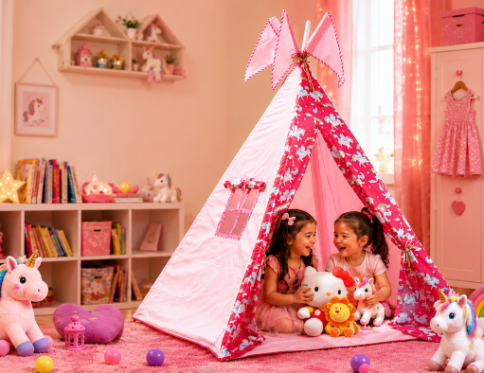


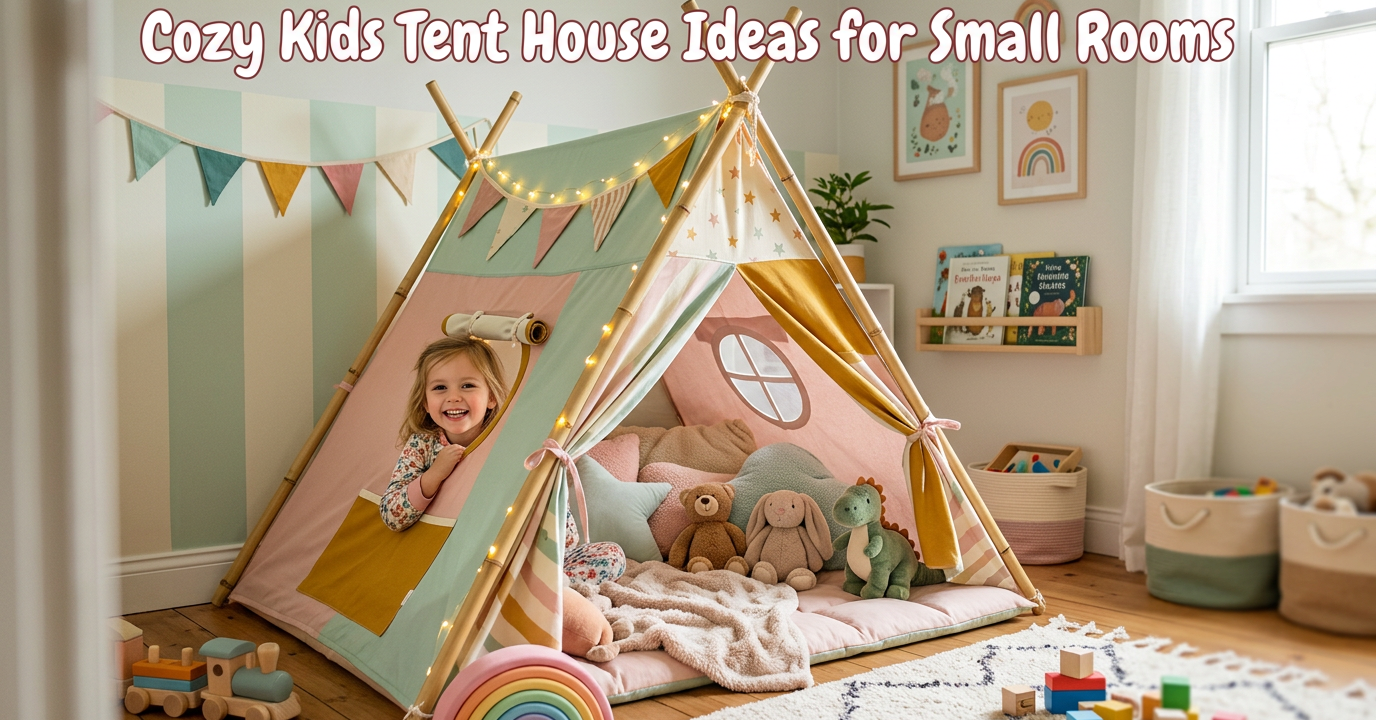

Small rooms challenge parents everywhere, especially when kids crave their own magical space for play, reading, or quiet time. A kids tent house offers the perfect solution—compact, foldable, and bursting with imagination potential. These breathable cotton play tents fit snugly into tight corners, transforming bland walls into cozy hideaways without overwhelming the space. Playtents.in teepee and hut-style tents use lightweight bamboo poles and soft fabrics to create instant nooks that grow with your child.
This guide dives deep into practical, creative ways to integrate tent houses into small bedrooms, playrooms, or even living areas. We’ll cover setup basics, decor hacks, theme inspirations, safety tips, and maintenance advice. Whether you’re dealing with a tiny urban apartment in Delhi or a compact nursery, these ideas maximize every square foot while sparking joy.
Why Tent Houses Excel in Small Spaces
Tent houses shine in confined areas because they define a “room within a room” without permanent fixtures. Unlike bulky furniture, a foldable kids tent house occupies just 4-6 square feet when pitched, yet feels expansive inside. The open-bottom design allows airflow, keeping it cool in India’s humid summers, while the peaked roof adds height illusion to low-ceiling rooms.
Parents love how these tents encourage independent play. Kids aged 2-8 retreat to their private fort for doll tea parties, book nooks, or superhero missions, reducing clutter elsewhere. Playtents.in models, like the classic teepee or princess hut, feature mesh windows for supervision and sturdy poles that withstand enthusiastic tumbles. In small rooms, they also serve dual purposes: daytime play spot, nighttime reading corner.
Versatility extends to multi-use. Slide one behind a door for a secret reading den or pair two for a sleepover village. Studies from child development experts highlight how such enclosed spaces boost focus and creativity—kids in tents show longer attention spans during solo play, per play therapy research. For small-room families, it’s a smart win: premium cotton versions that last years.
Essential Setup Tips for Tight Spaces
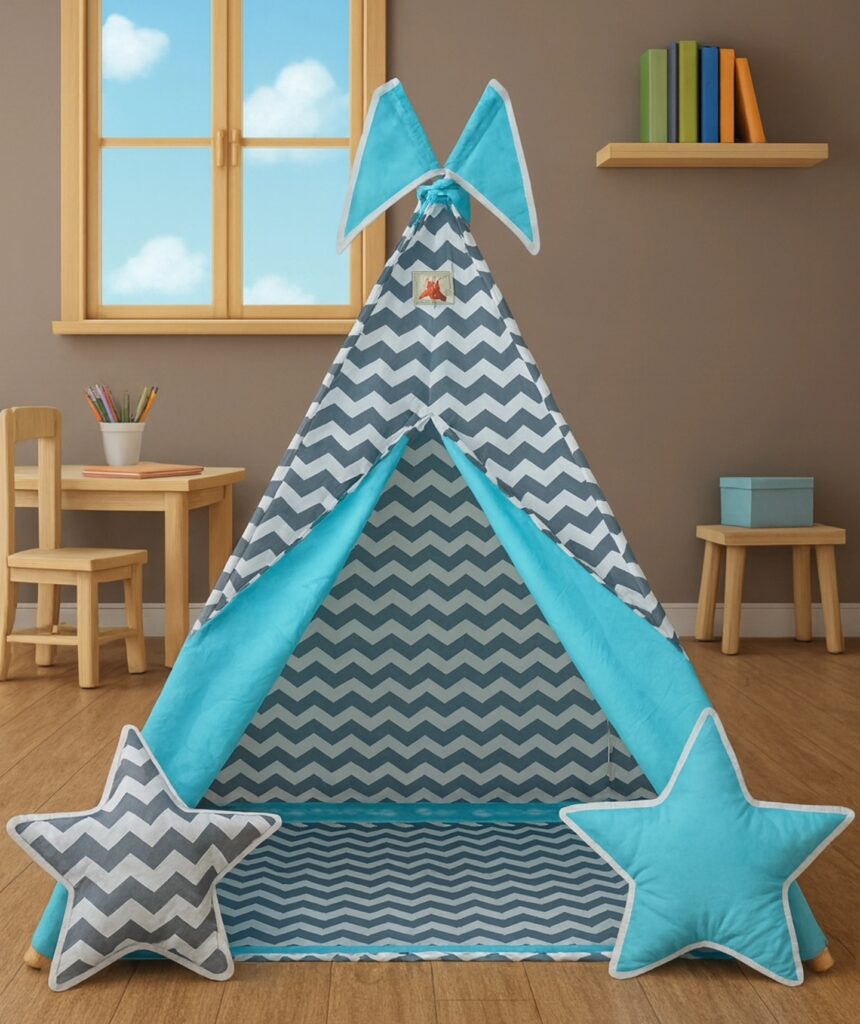
Start with placement. Position the tent house against a short wall or in a room corner to anchor it visually, freeing the center for movement. Measure your floor first—most teepees need a 5-foot diameter circle. Use non-slip mats underneath to prevent sliding on tiles or wood, a must in monsoon-prone areas.
Assembly takes under 5 minutes. Bamboo pole tents snap together with fabric loops—no tools required. For ultra-small rooms under 8×8 feet, opt for single-pole “A-frame” huts over full teepees; they hug walls better. Elevate on a low platform (like a foam block) if floors flood seasonally, adding airiness.
Lighting matters in cozy confines. Battery-powered LED strings drape the poles without outlets, casting warm glows. Avoid overhead lamps casting shadows—place a clip-on book light inside instead. Ventilation is key: prop the door flap with a wooden spoon for cross-breeze, especially in un-AC rooms.
Pro hack: Anchor tents with Velcro wall strips (removable, no damage) to create semi-permanent spots. In shared sibling rooms, assign “tent territories” with labeled flaps to curb fights. This setup not only saves space but teaches kids ownership—watch them personalize with stickers or drawings.
Fabric and Feature Choices for Comfort
Not all tents suit small spaces equally. Breathable 100% cotton canvas wicks moisture better than polyester, preventing stuffiness. Look for double-stitched seams and reinforced corners to handle daily dives—they endure hundreds of setups without sagging.
Key features for coziness:
- Mesh Windows: Two or more for peeking without unzipping; essential for parental check-ins.
- Padded Mats: Built-in or add-on cushions hard floors, doubling as portable bedding.
- Foldable Poles: Aluminum or bamboo collapse compactly for storage under beds.
- Custom Prints: Princess lace, Viking stripes, or plain neutrals blend with room colors.
For small rooms, lighter colors (ivory, pastels) reflect light, making spaces feel bigger. Avoid dark prints that absorb heat. Washable liners inside catch crumbs from snacks, a game-changer for mess-prone toddlers. In Delhi’s dusty air, these fabrics shake clean easily—no machine needed.
Cozy Decor Hacks on a Budget
Elevate plain tents into dream zones without clutter. Start low: Layer jute rugs inside for texture, topped with washable quilts. Scatter star-shaped pillows for lounging—soft velvet ones in gender-neutral greys work universally. Star pillows pair perfectly for extra fluff.
Wall it up imaginatively. Clip fairy lights along the roofline for a starry ceiling effect. Hang sheer curtains from poles using binder clips for a boho vibe. For storage, sew fabric pockets onto the outer walls—perfect for books, toys, or headphones, keeping floors clear.
Themed accents:
- Reading Nook: Battery lantern, picture books stacked vertically, and a mini cushion throne.
- Art Studio: Clipboards on poles for drawing paper, watercolor-safe mats below.
- Snack Spot: Tray table with spill-proof cups and fruit skewers.
Use washi tape for removable borders—gold stars or floral patterns frame the entrance like a portal. In small rooms, vertical decor rules: Suspend pom-poms from ceilings via fishing line, adding whimsy without floor space.
Scent it subtly with lavender sachets in corners—calms bedtime jitters. Rotate themes monthly to combat boredom; kids adore unveiling “new” tents.
Theme Inspirations for Every Personality
Tailor tents to your child’s world for deeper engagement.
Princess Paradise: Pink or lavender teepee with tulle skirt at base (DIY from old sarees). Add jewel garlands, toy crown hooks, and a mirror pouch. Ideal for girls 3-6 dreaming of royalty.
Jungle Explorer Den: Green hut tent with leaf cutouts taped outside. Stuff vines (pool noodles wrapped in fabric), toy animals perched on poles, and a “waterfall” blanket drape. Boys love the wild calls echoing inside.
Space Station Outpost: Navy teepee glowing with fiber-optic stars. Helmets from buckets, planet mobiles, and glow sticks create zero-gravity feels. STEM bonus: Print constellation charts for learning.
Viking Village Hut: Rustic brown tent with fur rug accents (sheepskin throws). Wooden spoon “axes,” rune stone crafts (painted rocks), and mead mugs (plastic cups). Ties into the Viking line.
Unicorn Glamping: Pastel teepee with rainbow pillows, horn headbands, and cloud pom-poms. Glitter mats and candy pouches make it Instagram-worthy for playdates.
Each theme uses 5-7 items, mostly repurposed household goods. Involve kids in setup—they’ll cherish their co-creation.
Safety First in Compact Setups
Small rooms amplify risks, so prioritize smart habits. Choose tents with fire-retardant certification (check labels)—cotton treated naturally resists sparks. No candles; LEDs only.
Secure poles fully to avoid collapses—test by tugging gently. Keep away from heaters, fans, or windowsills with blind cords (strangle hazards). Mats prevent trips; weighted bases stop tip-overs on uneven floors.
Supervise under-3s closely—mesh views help. Limit to 2-3 kids inside to avoid overcrowding collapses. Clean weekly: Vacuum flaps, spot-wipe interiors with mild soap. Store dry to dodge mold in humid closets.
Indian parents note: During Diwali, skip diyas nearby; opt for electric rangoli projectors outside tents.
Integrating with Room Flow
Blend tents seamlessly. Paint a wall mural behind as backdrop—chalkboard paint lets kids draw endlessly. Floating shelves above hold toys, freeing tent space.
Sibling harmony: Twin mini-tents side-by-side with a “tunnel” sheet connector for shared worlds. In multi-gen homes, position near adult seating for easy monitoring.
Seasonal swaps: Summer—light linens, fan clips. Winter—thicker quilts, hot water bottles (supervised). For guests, tents become pop-up beds with air mattresses.
Real Parent Stories and Results
Delhi mom Priya shares: “Our 6×8 kids’ room felt chaotic. One teepee later, my daughter plays solo for hours, room stays tidy.”
Mumbai dad Raj: “Foldable design saved us during monsoons—tent became indoor camp every rainy weekend.”
Feedback echoes: Parents report less screen time, happier moods. Models hold up for years with daily use.
Maintenance and Longevity Secrets
Spot-clean spills immediately with damp cloths. Air-dry fully post-monsoon storage. Rotate pole positions to even wear. Minor tears? Iron-on patches blend invisibly.
Upgrade annually: New prints keep excitement alive. Donate old tents to playschools—circular joy.
Final Thoughts on Magical Mini-Spaces
Kids tent houses turn small-room limitations into strengths, fostering independence and wonder. With thoughtful setup and decor, your child gains a lifelong love for cozy retreats. Explore the breathable, durable range today—designed for Indian homes. Start small, dream big.